
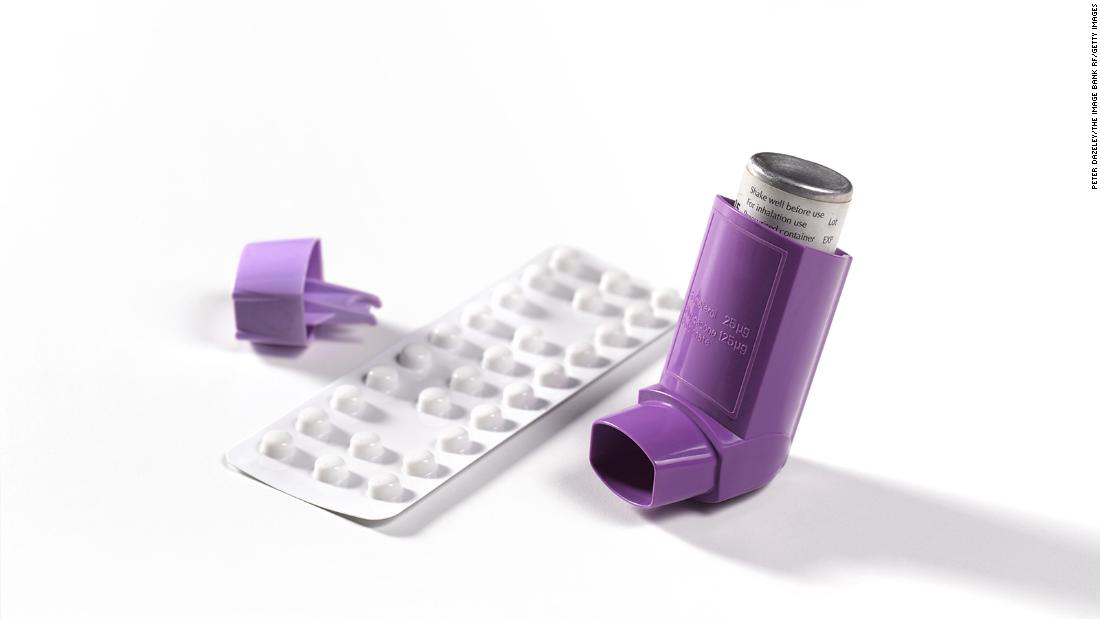
“This new study is particularly interesting because it shows how much white matter, which neurons need to connect to each other, is affected by drug use,” said Professor of Psychology at Southern Methodist University, who is also involved in the use of steroids for asthma. Impact of. He was not involved in research.
But ‘no reason to be alarmed,’ neuroimmunologist said Dr. Avindra Nath, clinical director of the National Institute of Neurological Disorders and Stroke, was also not involved in the study. Physicians have long known that administering steroids to a patient “shrinks the brain, but it returns to normal when the steroids are stopped.”
“These can be temporary effects,” he said, because of brain plasticity (the brain’s ability to reorganize structure, function, or connections). It doesn’t have to be, white matter can self-repair.”
Spread
Glucocorticoids are some of the most frequently prescribed anti-inflammatory drugs, experts say, because they are widely used for many conditions.
In addition to asthma, both oral and inhaled glucocorticoids have been used to treat allergies, chronic obstructive pulmonary disease (COPD), Crohn’s disease and other types of inflammatory bowel disease, eczema and other skin diseases, lupus, tendons. inflammation, multiple sclerosis, osteoarthritis, and rheumatoid arthritis.

But many studies to date have been small and sometimes inconclusive, experts say.
These people underwent cognitive and mental health tests and had a diffusion MRI of the brain. The researchers pulled the data and compared their MRI and cognitive findings to her more than 24,000 people in a database who weren’t using steroids.
“To our knowledge, this is the largest study to date to assess associations between glucocorticoid use and brain structure, and the first to examine these associations in inhaled glucocorticoid users.” The authors of the study wrote
Inhalers had the least effect
In this study, people who regularly used oral steroids over a long period of time had the greatest amount of white matter damage. People using oral steroids reported more apathy, depression, fatigue, and restlessness than those not using steroids.

White matter was least affected in those who used inhaled steroids.
It’s consistent with what doctors are seeing in clinical practice, said Raj Dasgupta, Ph.D., a pulmonologist and assistant professor of clinical medicine at the University of Southern California Keck School of Medicine.. He was not involved in research.
“We don’t see as many side effects as we do with inhaled glucocorticoids,” he said.
“As a clinician, the minute I start giving people these drugs, I immediately think, ‘How can I get that person to take them at the right time and safely?’ are always at risk of developing diabetes and high blood pressure,” Dasgupta said.
“Giving steroids to diabetics can raise blood sugar levels,” he added. “Abrupt use of steroids can undoubtedly cause insomnia and sleep disturbances, and long-term use of steroids increases the risk of infection as they are immunosuppressants.
Needs more research
The new study had limitations. For one, we were unable to determine steroid dosage or track adherence.

“We know that only about 50% of people with asthma take their medications as prescribed, so the potential for over-reporting is also a concern,” said Ritz. “Although it is the lowest dose that can control asthma, inhaled corticosteroids that locally reduce inflammation should be taken as regularly as possible.
“This study gives us another reason to keep the dosage low,” he added.
Another limitation, according to the study’s authors, was that they were unable to distinguish between those taking steroid tablets and those using intravenous fluids.
“This study largely confirms what we have long known in the management of asthma: take systemic (oral) corticosteroids as little as possible unless you have severe asthma. Inhaled steroids.” Stick to it and discuss your plan with your doctor: reducing your medication regimen in good times,” Ritz said.
“This is a very well done study,” Nath said. “But the findings call for another study to be done to see how long these effects last and how they can be reversed.
Source: www.cnn.com

