
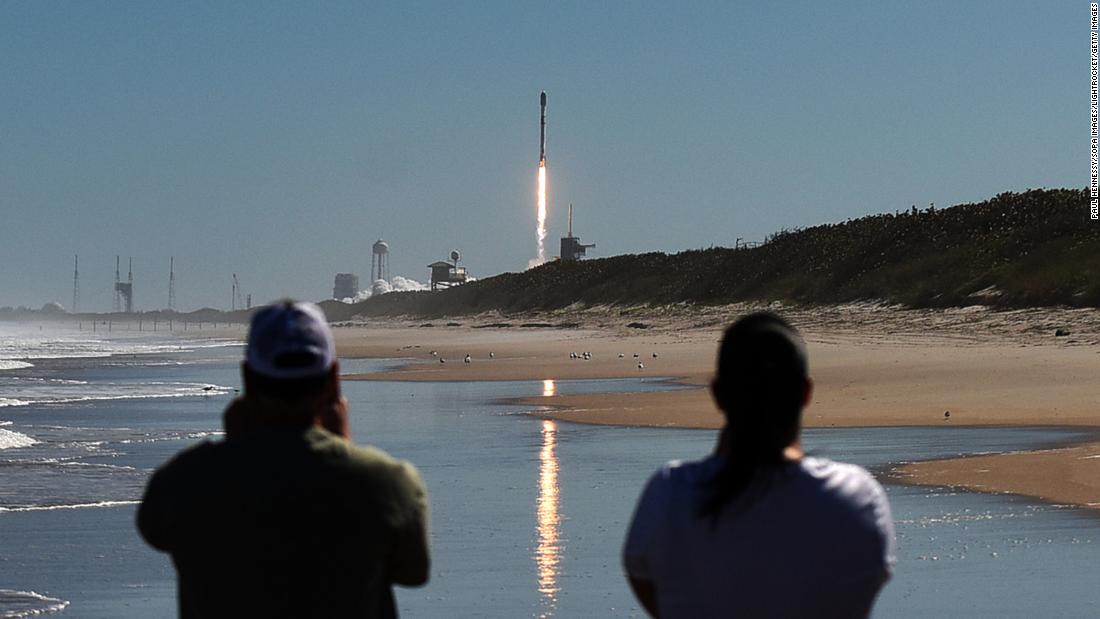
SpaceX will receive a total of $856 million, one of the largest of the $9 billion auctioned.
But that doesn’t happen anymore.
FCC Chairman Jessica Rosenworcel said in a statement, “After a careful legal, technical and policy review, we are denying these applications.” “Consumers deserve fast, reliable and affordable broadband,” she said. [subsidy] As we move into a digital future that requires stronger and faster networks than ever before, we can make the most of our dollars. We can’t afford to subsidize ventures that likely don’t deliver the speed promised or meet program requirements. ”
The FCC also observed data “indicating that Starlink speeds are declining from the fourth quarter of 2021 to the second quarter of 2022.”
SpaceX says it already has over 400,000 customers worldwide, and the company is pouring resources into building out its services. Already he has launched nearly 3,000 satellites that work together to deliver internet access to the ground. This is a radically different approach than traditional high-speed internet, which relies on underground fiber optic cables.
As part of the same announcement, the FCC also said it would reject a $1.3 billion award allocated to LTD broadband due to the fact that internet service providers failed to obtain proper status and service approvals in seven states. said.
Rosenworcel cited Starlink’s cost as part of the reason for the rejection.
“Starlink’s technology is really promising,” she said. “But the question before us is that by 2032 she will have to spend nearly $900 million in universal services funds for consumer broadband where users will need to buy her $600 million dish. It was whether to publicly subsidize the still-developing technology of
The FCC’s $9 billion subsidy package, called the Rural Digital Opportunity Fund, was funded by regular fees collected from Internet customers in the United States. The idea is to siphon money from connectivity-rich urban areas and use it to subsidize the hefty costs of extending internet infrastructure to more remote locations.
SpaceX did not respond to requests for comment and generally does not respond to inquiries from the press. LTD did not immediately respond to a request for comment.
Source: www.cnn.com

