
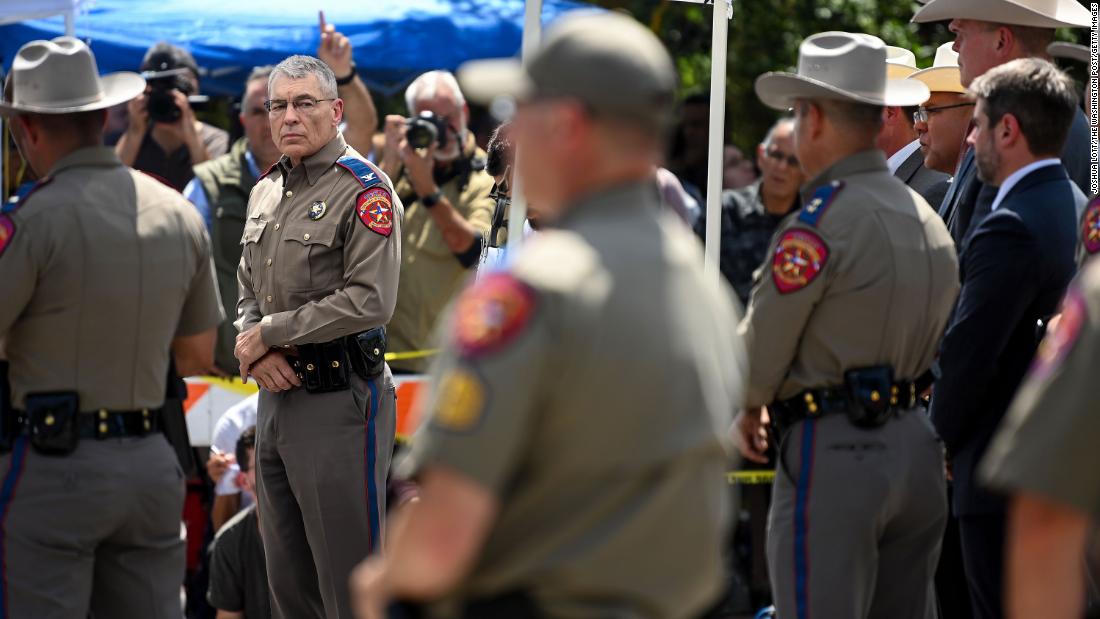
CNN said a group of 19 law enforcement officers stood outside the school classroom for about 50 minutes while 18-year-old Salvador Ramos was in an adjacent classroom, waiting for room keys and tactical equipment. I reported. Meanwhile, the children in the classroom repeatedly called 911 and asked for help, Texas officials said.
“It was a wrong decision. Period. There is no excuse for that,” McLaugh said of the supervisor’s call not to stand up to the shooter.
“Count per second” during active shooting
Thor Eells, Managing Director of the National Tactical Officers Association (NTAO), said the commander’s decision was “100% flawed.” He said the barricades are requiring police to slow down their reaction, analyze whether the subject is alone, and negotiate.
“If you’re in a classroom with innocent victims and you know you’ve been fired, I need to hire you. Even if you stop firing, I’ll start managing our lives. I’m going to enter the room so that I can-save help to potential victims. ”
The delay in police response in Yuvalde violates the established, generally-taught active shooter protocol established after the 1999 Columbine School massacre, Eels said.
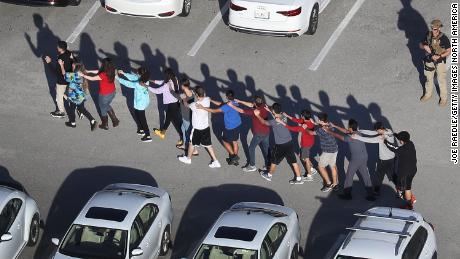
“Even if there is a fire, every second is important, so police officers are trained to face the threat,” said Jonathan Wacklow, a law enforcement analyst at CNN. “What we saw here was that the delay sacrificed and put an end to the lives of the children.”
When the Columbine shooting unfolded, Colorado police waited about an hour after the shooting at school, and the SWAT team arrived, during which two young men killed 13 people.
Prior to Columbine, law enforcement agencies were trained in tactical principles commonly referred to as ICE. This stands for quarantine (suspect), detention (suspect), evacuation (site). According to Eells, after being involved in the ICE protocol, police will request a specialized unit from the tactical SWAT team involved in response to the suspect.
Columbine’s shooting forced law enforcement agencies to refocus on responding to active shooting situations. After Columbine, police began to act on behalf of the perpetrators, rather than defending themselves, Eells said. First responders also began receiving tactical training to prepare for active shooting, removing some of the responsibilities from the hands of the SWAT team, he added.
There are no national guidelines for standardizing law enforcement training and response to active shooter situations. Eells said NTAO first developed an active shooter curriculum and training course and has since been adopted or modified by other training organizations across the country.
The curriculum includes safety priorities to guide police officers in responding to active shootings based on their proximity to injury or death. According to Eells, they are instructed in all 50 states.
All training prioritizes working on the subject first. The safety priority list considers hostages and innocent civilians to be top priorities, followed by law enforcement agencies, and suspects, Eells said.
As their tactics evolved, law enforcement agencies realized that waiting even a few seconds to respond during an active shooter scenario was potentially devastating, Eells said. This has led police training agencies to develop faster response strategies. Officers are now being taught to do everything they can to stop the shooter as soon as possible and to bypass helping the injured, Eells added.
“Unfortunately, this is a continuous and continuous learning process,” he said. “It’s very likely that there are some important lessons learned from Uvalde, and you may find those paths in our recommendations on how it will change your reaction.”
The case shows how a quick response can save lives
Eells pointed out a 2013 shooting at a high school in Colorado. This shows how a quick police response can lead to very different results. The shooting occurred within two minutes, during which time a high school boy lit a Molotov cocktail, fired a pump-action shotgun at school, and shot a 17-year-old girl deadly.
However, CNN previously reported that the attack could have caused more casualties without the prompt response of a deputy sheriff who worked as a school resource officer at the school. Upon learning of the threat, the lieutenant rushed to the shooter, confirmed that he was the county’s deputy sheriff, and told the people to step down. The shooter killed himself while he contained the scene.
Ramos wasn’t faced with police before he entered school, DPS regional director Victor Escalon said Thursday.
According to Maria Haberfeld, a professor of police science at John Jay College, active shooting protocols are widely recognized among 18,000 law enforcement agencies in the country, but the basic problem is at the local, state, and federal levels. The decentralization of police standards. ..
“The methods that Yuvarde officers responded to were consistent with the fact that they were likely not properly trained,” said Haberfeld. She said local police agencies usually rely heavily on specialized tactical forces.
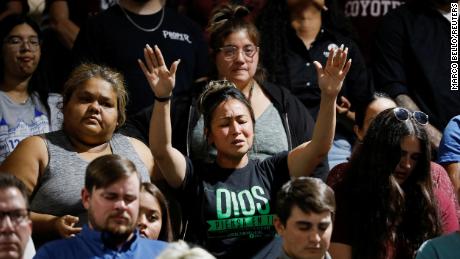
The manual states, “The officer’s top priority is to break in and confront the attacker, which may include bypassing the injured and not responding to calls for help from children. . ”
According to Eells, the safety priority list would have helped guide executives at that moment. He said the decision to wait in the hallway instead of breaking the classroom door benefited the shooter while endangering innocent citizens.
“Whenever they were standing in the hallway, they would have been involved with the suspect, even while evacuating the children,” Eells added.
Source: www.cnn.com

