
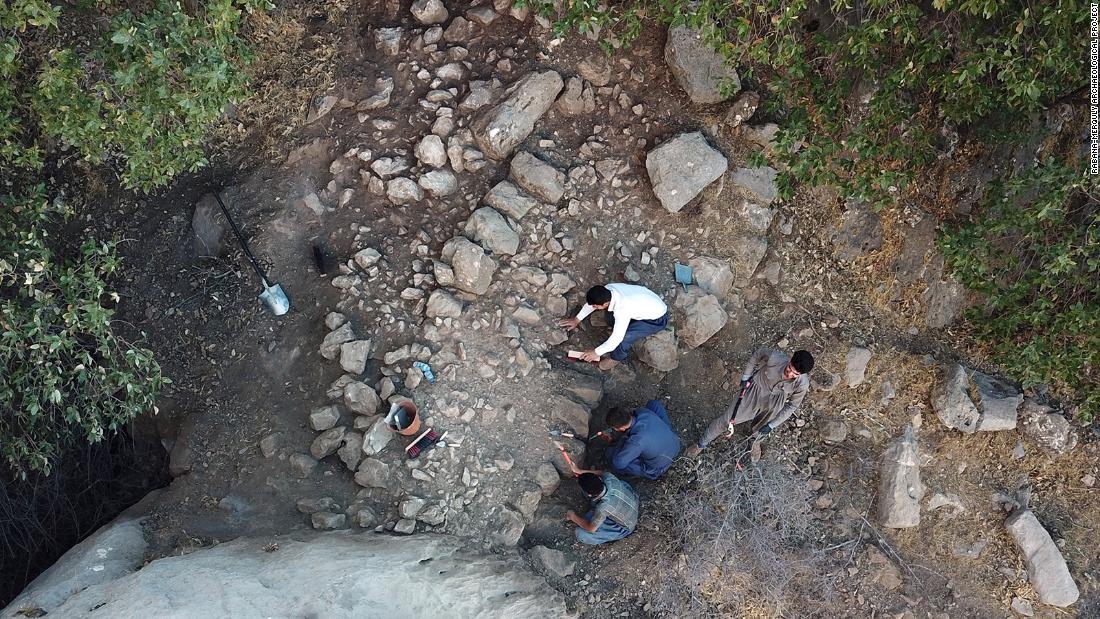
With the help of drone photography, archaeologists have excavated and cataloged Located in the Zagros Mountains, the stone fortress of Ravana Mercuri consists of a fortress about 2.5 miles (4 km) long, two small settlements, carved rock reliefs and religious institutions.
The fortress was on the border of Adiabene, a small kingdom ruled by the kings of the local dynasties. These rulers are alleged to pay homage to the neighboring Parthian Empire, which spread to parts of Iran and Mesopotamia about 2,000 years ago. With the help of an Iraqi colleague, Michael Brown, a researcher at the Prehistoric, Protohistory, and Near Eastern Archaeological Institutes of the University of Heidelberg, Germany.
According to Brown, the sculpture at the entrance to the fortress depicts King Adiabene based on the person’s outfit, especially the hat. The sculpture is similar to other portraits of King Adiabene, especially those found 143 miles (230 km) away in the ancient city of Hatra.
It’s a matter of speculation, but Brown believes that the fort was Natunia, which was part of the Kingdom of Adiabene, or the royal city known as Natunisaro Kerta.
“Natonia is really known only from its rare coins, there is (not) Detailed historical reference material “.
The details inferred from the seven coins represent the city named after the king, Natounisar, and the location of the lower Zab River, formerly known as the Capros River.
“Locations near (but certainly not) the lower Zab / ancient Capros rivers, short occupations, and images of the royal family all link archaeological locations to explanations that can be inferred from coins. Also has a rare high-status grave, “Brown said.
“This is a contextual debate …. Rabana-Merquly isn’t the only possibility in Natonia, but it’s definitely a” lost “city somewhere in the region so far. Is the best candidate in. “
The King of Sculpture may be the founder of Natounisar or Natonia, a direct descendant.
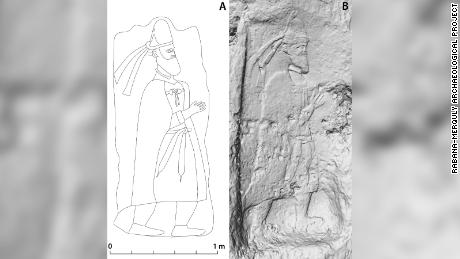
The place name Natounissarokerta is composed of the royal name Natounissar, the founder of the Adiabene dynasty, and the Parthian for moat or fortress.
“This explanation could also apply to Rabana-Merquly,” Brown said. As a major settlement located at the intersection of highlands and lowlands, Rabana-Merquly could have been used to trade, especially with idyllic tribes, maintain diplomatic relations, or exert military pressure.
“The considerable effort that would have been spent on planning, building and maintaining a fortress of this size is a sign of government activity,” Brown said.
Studies show that this discovery adds knowledge of Parthian archeology and history, which remains significantly incomplete despite its apparent importance as a major power in the ancient Near East.
The journal Antiquity published the study on Tuesday.
Source: www.cnn.com

